Use This Influencer Outreach Script for Your Next Campaign

Why use this script?
Most influencer outreach fails for one simple reason: the message wasn’t written for a human. It was too generic, too long, too salesy, or clearly sent to dozens of creators at once. Creators can spot that instantly, and they ignore it.
The Outreach Script (Base version)
Use this as your starting point. It works for most sponsored, UGC, gifting, and early partnership conversations.
Hi {{Creator Name}},
I came across your content through {{specific post, theme, or series}} and thought your style could be a strong fit for an upcoming campaign we’re running for {{Brand Name}}.
We’re looking to collaborate with creators who resonate with {{audience or niche}}, and your content stood out because {{specific reason}.
Would you be open to hearing more details to see if it’s a fit on both sides?
Best,
{{Your Name}}
This message is short, respectful, and leaves room for the creator to opt in. Now let’s break down why it works—and how to tailor it.
Part 1: Your Opening Line
Bad examples:
- “Love your vibe!”
- “Big fan of your content”
- “We love what you do”
Better:
- Reference a specific post
- Mention a recurring theme
- Call out a format they use well
This signals intent. If you’re discovering creators at scale, this step becomes much easier when discovery is already filtered for brand fit.
Tools like CreatorCatalyst surface creators based on your campaign intent so you’re not forcing personalization where it doesn’t belong.
Part 2: Why You’re Reaching Out (Context!)
Examples:
- “We’re launching a skincare product focused on barrier repair”
- “We’re running a UGC-focused campaign for paid social”
- “We’re promoting an in-person event in NYC”
NOT A PITCH. You don’t need to sell the campaign yet. Creators just want to know why them?
For a closer look at appealing to creators pre-meet, see How To Make Your Brand More Attractive To Creators.
Part 3: Fit Over Reach
Creator fit metrics:
- Audience alignment
- Content style
- Tone or approach
Creators are used to brands focusing on follower count, which isn't what gets replies. This tells creators you value their work rather than just their metrics.
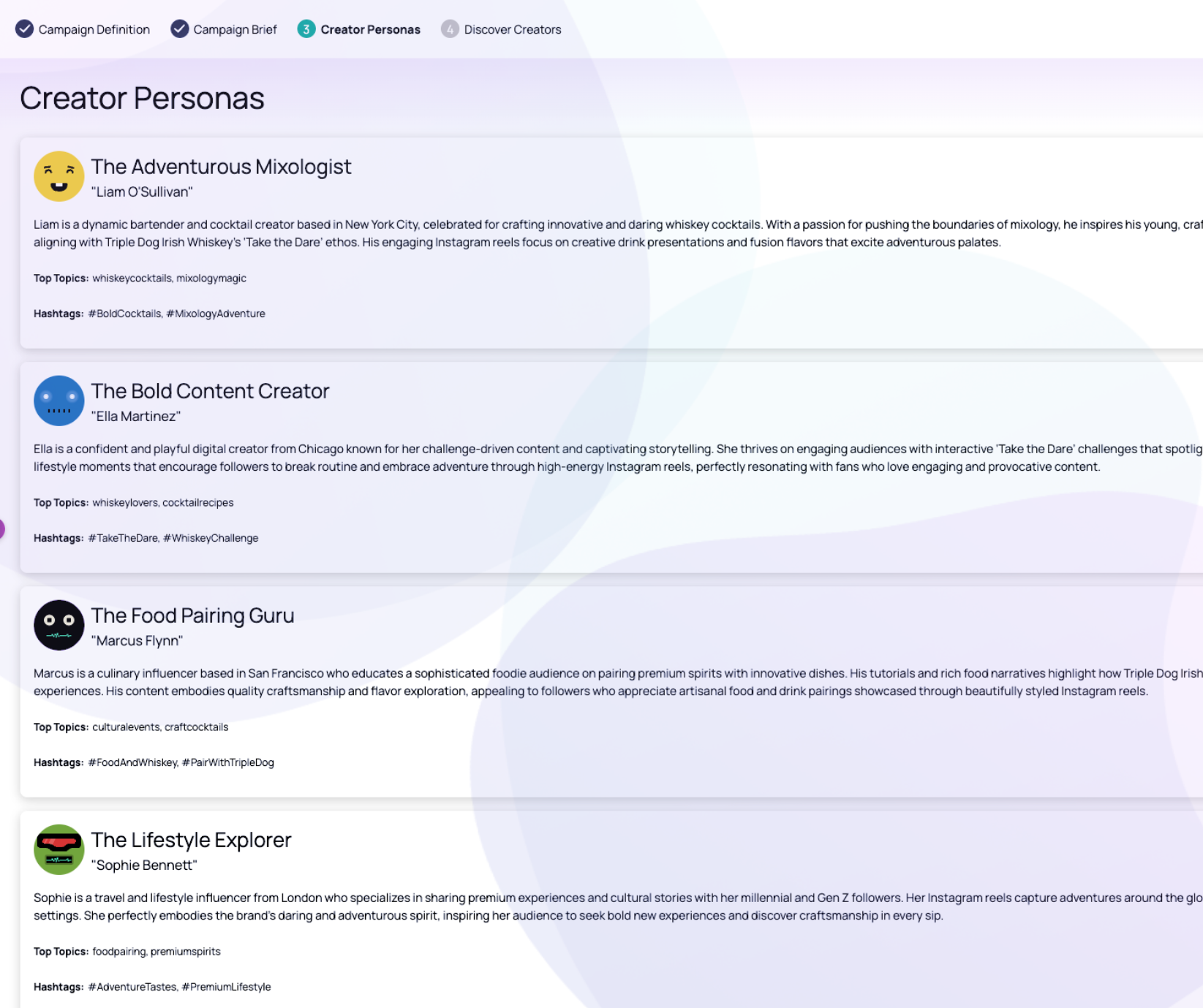
For more info on creator fit, read our article How to Use Creator Personas to Speed Up Discovery and Improve Targeting explains how to define this before outreach even begins.
Part 4: Make a Soft Ask (Lower the Commitment)
Good Soft Asks
- “Would you be open to learning more?”
- “Happy to share details if you’re interested”
- “Let me know if this sounds relevant”
Avoid asking for deliverables (i.e., "We're looking for a grid post") in the first message. Your goal is not to close the deal, your goal is to start a conversation. Low-pressure language increases reply rates, especially with micro and mid-sized creators.
Adapt This Script By Campaign Type
Sponsored Content
Encourage creative freedom and brand alignment, avoid listing deliverables too early.
Gifting or Giveaway
Be clear that it’s a product-first collaboration to avoid confusion later.
Affiliate or Commission
Mention performance focus upfront so expectations are aligned.
UGC (Content Only)
Clarify that content may be used for ads or brand channels. Creators will want to discuss usage rights.
Brand Ambassador or Partnerships
Reference long-term potential.
Event or Experience Activations
Include location and timing early. Creators need logistics to assess fit.
(Our Creator Campaign KPI Cheat Sheet details how goals differ by campaign type.)
Common Outreach Mistakes to Avoid
- Writing one message for every creator
- Over-explaining the brand
- Leading with rates or deliverables
- Using aggressive follow-ups
- Sending outreach before the brief is ready
If your brief isn’t clear, outreach will suffer. We explained how to fix that upstream in The Fastest Way to Create a Campaign Brief (No Templates Needed).
Scaling Outreach Without Losing Quality
Conclusion
As campaigns grow, manual outreach becomes inconsistent, espcially with context getting lost, or with team members writing different messages. Centralizing discovery, briefs, fit, and outreach in one workflow makes quality easier to maintain. That’s why CreatorCatalyst connects campaign setup directly to outreach messaging, so creators receive relevant messages backed by a brief (creatorcatalyst.ai/product).
When creators understand why you’re reaching out, what the campaign is about, and that you’ve chosen them intentionally, they are more inclined to reply. Use the script above as your foundation, and adapt it based on campaign type, industry, creator profile, etc., and you’ll spend less time chasing replies and more time running campaigns.